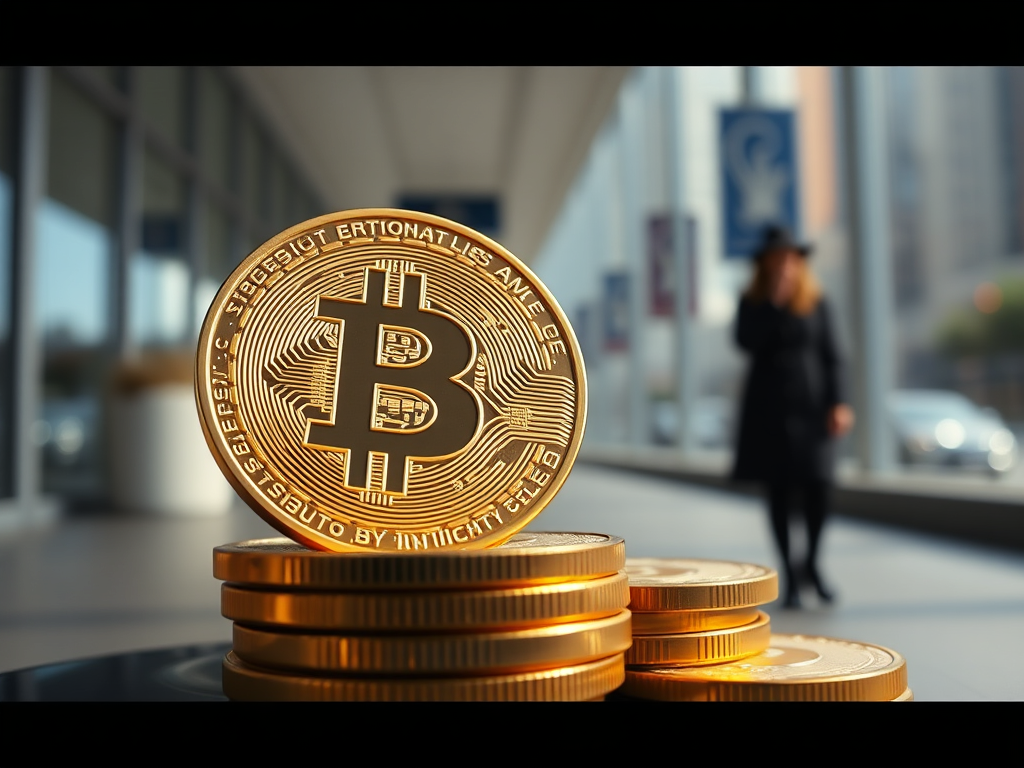
Bitcoin growth typically outpaces that of altcoins due to its established market dominance and investor confidence. While Bitcoin benefits from institutional adoption and a solid reputation, altcoins often introduce innovative features that address specific challenges, such as transaction speed and scalability. Investors should be cautious, as altcoins can exhibit high volatility and face saturation risks. A balanced investment strategy that includes both Bitcoin and select altcoins may provide opportunities for growth while managing risk.
Understanding Bitcoin’s Dominance
Bitcoin has established itself as the leading cryptocurrency, dominating the market with a significant share of total market capitalization. Its growth trajectory is often viewed as a benchmark for the entire cryptocurrency landscape. The reasons behind Bitcoin’s dominance include its first-mover advantage, widespread recognition, and the security of its decentralized network.
One practical aspect of Bitcoin’s growth is its adoption by institutional investors and corporations. Companies like Tesla and MicroStrategy have added Bitcoin to their balance sheets, signaling confidence in its long-term value. This institutional interest not only boosts Bitcoin’s legitimacy but also drives its price, creating a positive feedback loop that further solidifies its market position.
However, Bitcoin’s growth is not without challenges. As the market matures, concerns regarding scalability and energy consumption have emerged. Bitcoin operates on a proof-of-work consensus mechanism, which has been criticized for its environmental impact. These factors may influence its growth potential compared to more energy-efficient altcoins.
The Role of Altcoins in the Market
Altcoins, or alternative cryptocurrencies, play a pivotal role in the broader cryptocurrency ecosystem. They often emerge to address specific problems or improve upon Bitcoin’s limitations. For instance, Ethereum introduced smart contracts, enabling decentralized applications (dApps) and fostering innovation in sectors like finance and gaming.
The growth of altcoins can be attributed to their unique features and use cases. Many altcoins are designed to serve specific niches or improve transaction speeds, which attracts investors looking for high-growth opportunities. However, the altcoin market is highly volatile, and many projects may fail to deliver on their promises.
Investors should be cautious when evaluating altcoins. A common mistake is to invest based solely on hype or trends without a thorough understanding of the project’s fundamentals. It’s essential to analyze the team behind the project, its technological basis, and market demand before committing capital.
Factors Influencing Growth Trends
The growth trends of both Bitcoin and altcoins are influenced by a variety of factors, including market sentiment, regulatory developments, and technological advancements. Market sentiment can drive prices up or down, often leading to rapid shifts in investor confidence. For example, positive news regarding cryptocurrency regulation can lead to a surge in prices across the board.
Regulatory developments play a crucial role in shaping the landscape for both Bitcoin and altcoins. Governments worldwide are increasingly recognizing cryptocurrencies, leading to a mix of acceptance and restriction. Countries that embrace blockchain technology and cryptocurrencies often see accelerated growth in their local markets.
Technological advancements also impact growth. Innovations such as layer-two scaling solutions for Bitcoin and the rise of decentralized finance (DeFi) platforms in the altcoin space are reshaping how these assets are utilized and perceived. Projects that successfully implement new technologies often experience significant growth, attracting both investors and developers.
Investment Strategies for Bitcoin and Altcoins
When considering investments in Bitcoin and altcoins, it’s crucial to develop a well-rounded strategy. Bitcoin is often viewed as a store of value, similar to digital gold, making it a safer investment compared to altcoins. Investors might allocate a larger portion of their portfolio to Bitcoin, particularly during market volatility.
On the other hand, altcoins can offer higher returns but come with increased risk. A diversified approach—investing in a mix of established altcoins and promising new projects—can help mitigate risk while maximizing potential returns. It’s essential to conduct thorough research and stay informed about market trends.
Investors should also be aware of their risk tolerance. Altcoins can experience extreme volatility, and while they may offer rapid gains, they can also lead to significant losses. Setting clear investment goals and maintaining discipline can help navigate the unpredictable nature of cryptocurrency markets.