Central banks want to look under crypto’s hood — Is this a positive sign?
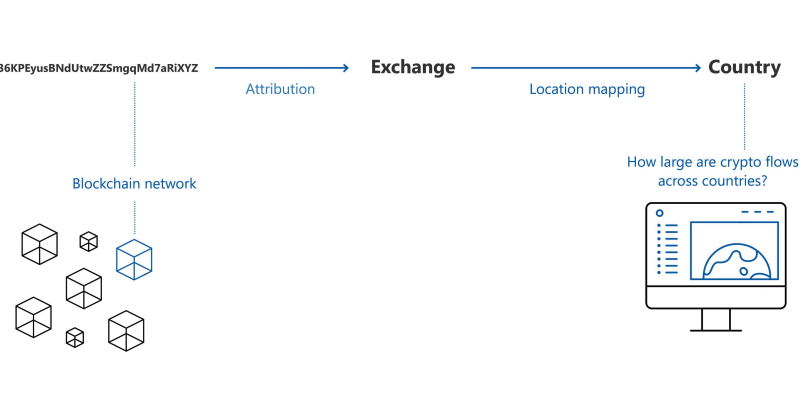
The Bank for International Settlements (BIS) Project Atlas report offers yet another indication that the worlds of crypto and conventional finance may be converging.On the surface, this proof-of-concept project backed by some of Europes most significant central banks– like German central bank Deutsche Bundesbank and Dutch main bank De Nederlandsche Bank– seems modest enough: protecting more crypto-related data, like cross-border Bitcoin (BTC) streams. Theres some factor to think this could occur, including proliferating numbers of chain tracking tools, the reality that some big crypto exchanges are already divulging more information voluntarily, and the growing acknowledgment that many crypto transitions are pseudonymous, not totally anonymous, said Meyer.”So, for starters, possibly crypto exchanges could reveal a home nation address?Deriving cross-border circulations based on crypto exchange areas.

The Bank for International Settlements (BIS) Project Atlas report uses yet another indication that the worlds of crypto and standard finance might be converging.On the surface, this proof-of-concept task backed by some of Europes greatest central banks– like German central bank Deutsche Bundesbank and Dutch central bank De Nederlandsche Bank– appears modest enough: securing more crypto-related data, like cross-border Bitcoin (BTC) flows. A large stock of crypto savings abroad might be seen as a positive by central banks worried about systemic safety and stability.”What is to be done?Central banks are presently getting their crypto information from private analytic firms like Chainalysis, however even this isnt totally satisfactory, kept in mind von Luckner. Theres some reason to think this could occur, including multiplying numbers of chain tracking tools, the reality that some large crypto exchanges are currently disclosing more information voluntarily, and the growing acknowledgment that many crypto transitions are pseudonymous, not totally anonymous, said Meyer.”So, for beginners, maybe crypto exchanges could reveal a home nation address?Deriving cross-border circulations based on crypto exchange places.
Related Content
- Bitcoin to $1M post-ETF approval? BTC price predictions diverge wildly
- Price analysis 7/10: SPX, DXY, BTC, ETH, BNB, XRP, ADA, DOGE, SOL, LTC
- Crypto adoption crosses party lines amid Washington’s political deadlock
- The Ultimate Guide to the Best Bitcoin Exchange Strategies for 2025
- Crypto Lending Scheme Implosions Make Bitcoin Stronger