Expect some crypto companies to fail in the wake of Bitcoin’s halving
Focusing exclusively on short-term gains might lead to missed opportunities or tactical mistakes that threaten a companys future viability.The recent layoffs by layer-2 blockchain Avalanche highlight the volatility and unpredictability intrinsic to the crypto sector. The market has actually seen its reasonable share of backlashes due to unmet, overambitious projections.Another crucial and often neglected aspect that crypto companies should consider: the rapidly changing regulatory landscape. Crypto is increasingly coming under the analysis of international regulators, especially in Europe, where discussions about detailed crypto policy are intensifying.The shift towards stricter regulatory oversight is indicative of an international trend where governments are seeking to balance development in the crypto space with investor security and financial stability. As guidelines end up being more complicated and expansive, crypto business that proactively integrate compliance into their service models and innovation infrastructures will likely discover themselves ahead of the curve. For crypto companies, the difficulty is to innovate while adhering to these brand-new rules, turning regulative adherence into a tactical possession rather than a burden.Bitcoins halving and the magnifying regulative environment herald a pivotal moment for the crypto industry.

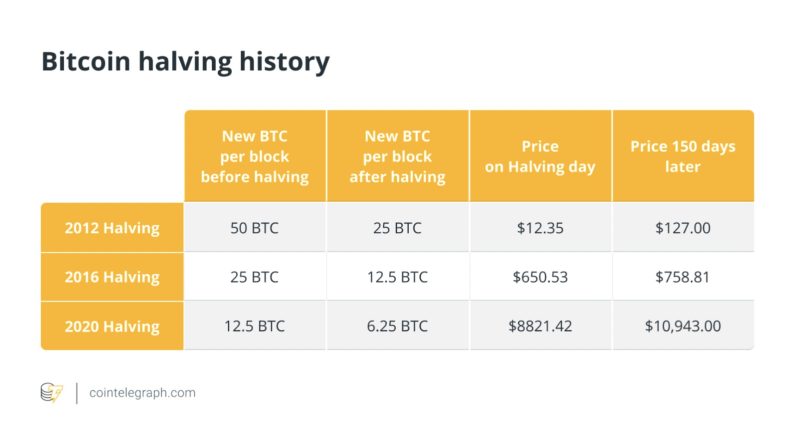
As we approach Bitcoins (BTC) halving in April, a phenomenon that historically sets off considerable market shifts, companies within the space are at a vital point. This event is surrounded by speculation and strategic planning, and for some, a sense of unpredictability. While its loaded with opportunities, its vital for businesses to adopt a well balanced approach, incorporating a long-lasting perspective rather than dealing with market euphoria.Historically, Bitcoin cutting in half occasions– which reduce mining rewards by half– have activated considerable changes in the crypto landscape. These modifications often result in increased market activity and heightened financier interest. Nevertheless, basing an entire business strategy on the outcomes of the halving can be a double-edged sword. Focusing solely on short-term gains could lead to missed out on opportunities or tactical mistakes that threaten a businesss future viability.The current layoffs by layer-2 blockchain Avalanche underscore the volatility and unpredictability fundamental to the crypto sector. Such developments highlight the need of robust threat management methods. Business need to be prepared for any possibility, guaranteeing their survival beyond the halving occasion. This requires a concentrate on sustainable growth, solid financial planning and an unwillingness to overextend in pursuit of fleeting opportunities.Related: History tells us were in for a strong booming market with a difficult landingIn light of this, crypto companies are progressively channeling their efforts into item advancement and halting marketing efforts. The goal is to cater and diversify offerings to a developing customer base, which is anticipated to expand post-halving. This method is not just about capitalizing on the instant upswing in halving-related interest however likewise about constructing a structure that can withstand market fluctuations.A possible repercussion for some companies? Products will be hurried to release– without sufficient cybersecurity preparations. The crypto industry, by its very nature, is a prime target for cyberattacks. History has actually consistently shown what occurs to tasks that fail to gain from our long list of predecessors who have actually been up to hackers.Moreover, the current landscape of venture capital in the crypto sector presents an intricate picture. The AI hype and the current crypto winter led to a drying up of funds. Nevertheless, theres a renewed interest as financiers look to take advantage of the cutting in half occasion. This renewal of financial investment must be navigated with caution. Expansion and investment ought to be backed by a strong financial strategy, especially in a market known for its volatility.Another aspect to think about is the marketing and public understanding surrounding the halving. While its crucial to create awareness and excitement, overhyping the event can backfire. Setting sensible expectations is key to preserving trustworthiness and trust with the user base. The industry has seen its fair share of backlashes due to unmet, overambitious projections.Another essential and typically overlooked element that crypto companies need to consider: the quickly altering regulatory landscape. Crypto is increasingly coming under the examination of international regulators, particularly in Europe, where discussions about detailed crypto guideline are intensifying.The shift toward more stringent regulative oversight is a sign of a global pattern where federal governments are seeking to balance innovation in the crypto space with investor defense and monetary stability. This change isnt just a matter of compliance. It represents an essential shift in how crypto companies must run. Companies require to remain abreast of these developments as new guidelines might be executed before the halving in April. Business that focus on the halving without regard for impending legislative modifications might suffer quick consequences.Related: WSJ ordeal fueled United States lawmakers ill-informed crusade against cryptoInnovation in compliance can be a competitive benefit. As policies become more complex and extensive, crypto companies that proactively incorporate compliance into their service models and innovation facilities will likely find themselves ahead of the curve. This includes investing in compliance and regulatory innovation, which can offer efficiencies and assist browse the complexities of varying jurisdictional requirements. For crypto companies, the difficulty is to innovate while sticking to these brand-new guidelines, turning regulatory adherence into a strategic property rather than a burden.Bitcoins halving and the heightening regulative climate declare a turning point for the crypto market. This double difficulty will undoubtedly result in a substantial shake-up, where just the most forward-thinking and adaptable companies will survive. Those who take a merely responding method threat falling behind or failing altogether.Success in this new era needs being proactive– integrating innovative methods that align with regulative structures and harness the halvings capacity. The companies that emerge stronger will be those that see these obstacles not as challenges but as opportunities to redefine and solidify their position in a quickly growing market. This shift from mere survival to tactical evolution is what will differentiate the leaders in the post-halving, regulated crypto landscape.Daniele Servadei is the 20-year-old creator and CEO of Sellix, an Italian e-commerce platform that has actually processed more than $75 million in deals for more than 2.3 million customers worldwide. Hes going to the University of Parma for a degree in computer system science.This short article is for basic details functions and is not intended to be and ought to not be taken as legal or investment suggestions. The opinions, ideas and views expressed here are the authors alone and do not necessarily show or represent the views and viewpoints of Cointelegraph.
Related Content
- EU stays on top of Web3 with metaverse, AI and crypto strategies
- 3 reasons why Lido DAO price jumped 40% in a week — Outperforming Bitcoin, Ethereum
- Coinbase Q2 beats estimates amid Blackrock custody deal, institutional focus
- Bitcoin traders eye $28K retracement as BTC price retains 20% gains
- Brazil’s Congress moves to levy higher taxes on cryptocurrencies